African Cayenne
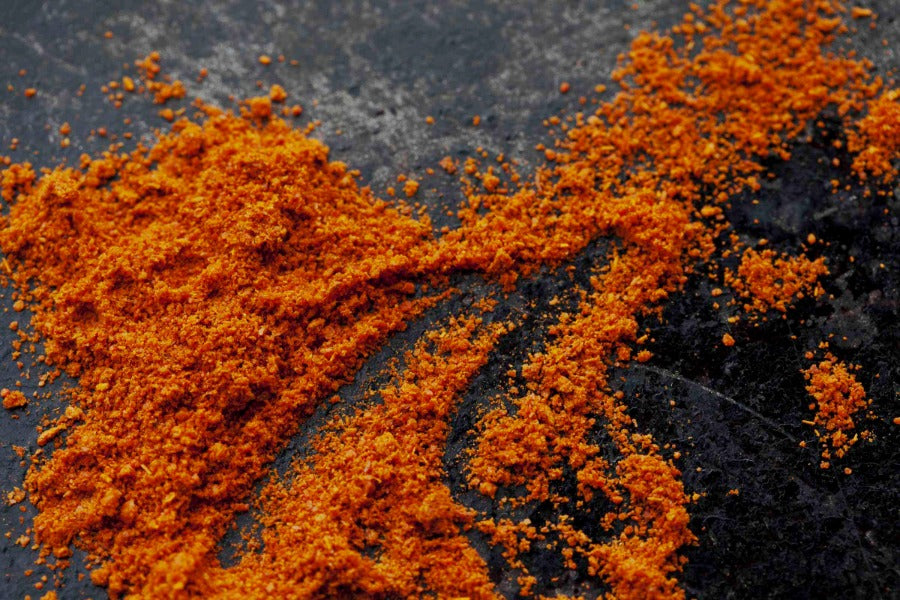
The flavor of African Cayenne is bright and intense, with a stunning heat level of 100,000 on the Scoville scale. For reference, this makes it more than twice as hot as our more typical Indian cayenne, at 30,000. African Cayenne is a must for Cajun and Creole dishes.
Why World Spice?
- Vegan, gluten-free, and filler-free
- Love it or we'll replace it
- Orders over $59 ship free
- Produced in small batches, shortly before shipping
Spice 101
African cayenne, known botanically as Capsicum annuum, is a fiery contender in the world of spices. This spice is not just hot; it's scorching, boasting a heat level of 100,000 on the Scoville scale, which is more than twice as hot as the more common Indian cayenne. For those who dare to embrace its intense heat and bright flavor, it's an essential spice cabinet pick. African cayenne is particularly indispensable in Cajun and Creole cooking, where its robust heat is celebrated.
African cayenne, like its other chile pepper cousins, traces its origins to the Americas. It was quickly adopted into various global cuisines due to its potent heat and vibrant color. In Africa, where it was introduced via European and Arab traders, it became a staple in many traditional dishes, transforming the culinary landscapes of countries like Ethiopia, Nigeria, and Morocco.
African cayenne is used in varying degrees and forms. In West African cuisine, it's often found in ground form, adding a punch to stews and marinades. Contrastingly, in parts of North Africa, it might be used more sparingly, incorporated into complex spice blends that include a variety of other aromatic ingredients.
African cayenne has uncompromising heat and an ability to intensify the flavors around it. It’s a spice that doesn’t tiptoe around your palate; instead, it dances boldly, enhancing every dish it graces. From a simple sprinkle on scrambled eggs to a generous addition in a simmering pot of gumbo, African Cayenne is our go-to when we want to add a serious heat wave to our meals.
Despite its name, African cayenne didn't originate in Africa. It's actually native to the Americas but was spread across the globe post-Columbian exchange. Today, it's an integral part of African culinary traditions, showing just how a spice can travel and adapt, becoming a beloved staple far from its original home.
Recipes with African Cayenne
Spice tips
More from Africa


Recently viewed
The world's most versatile spice library
Since 1995 we've sourced and blended the finest flavors we can find. Nearly all of our spices are available whole or ground, and we grind in small batches shortly before shipping.