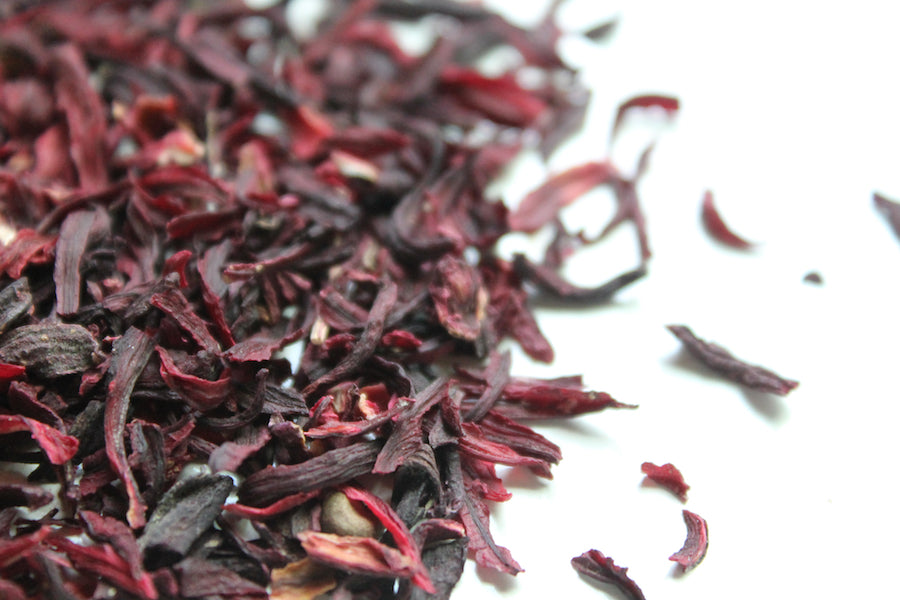
I didn't realize it was cut and sifted. I prefer the whole flower. It brews slower and I don't have to deal with small pieces when rinsing out my infuser.


Flower
Hibiscus
SourFruityEarthy
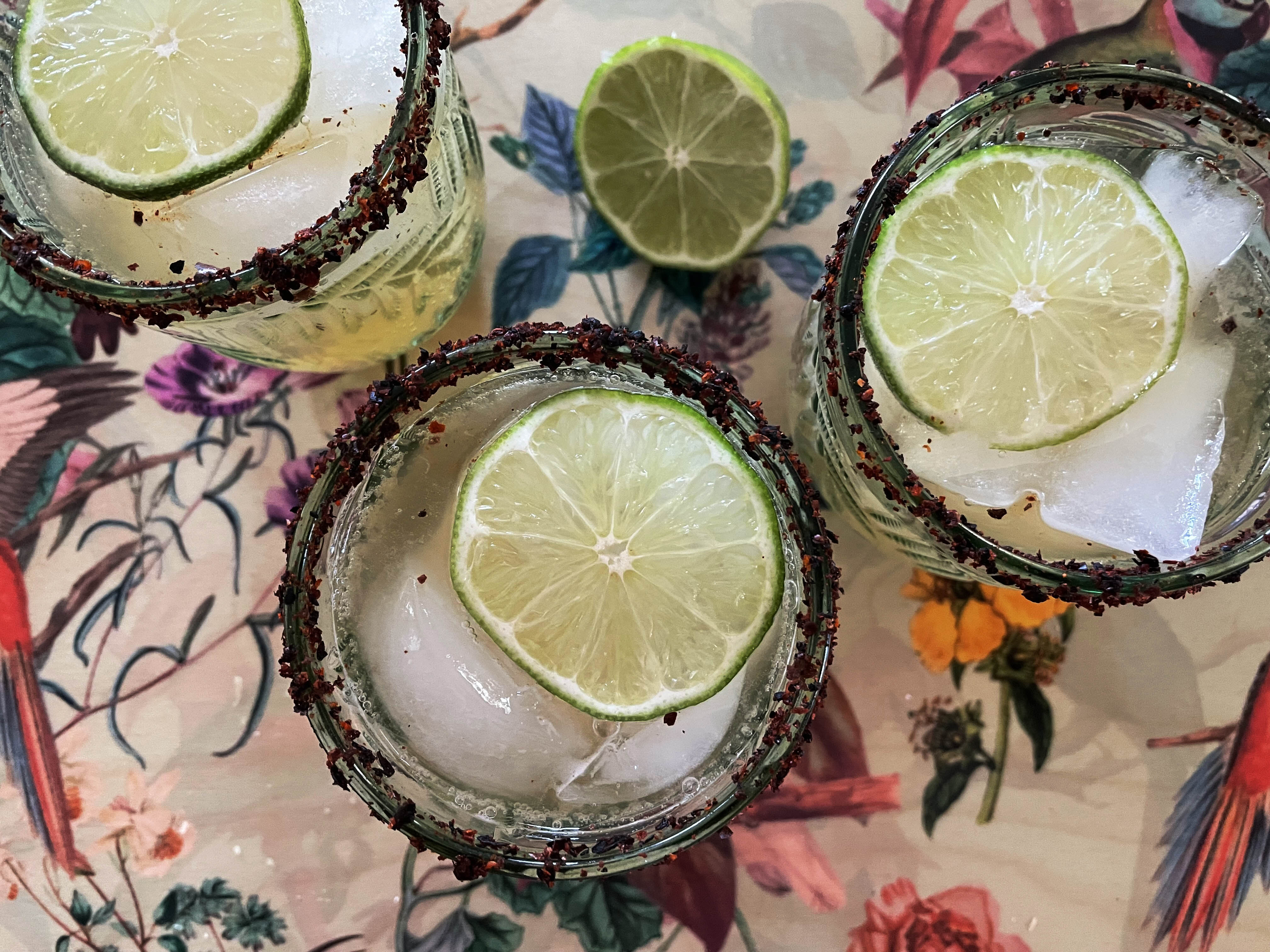
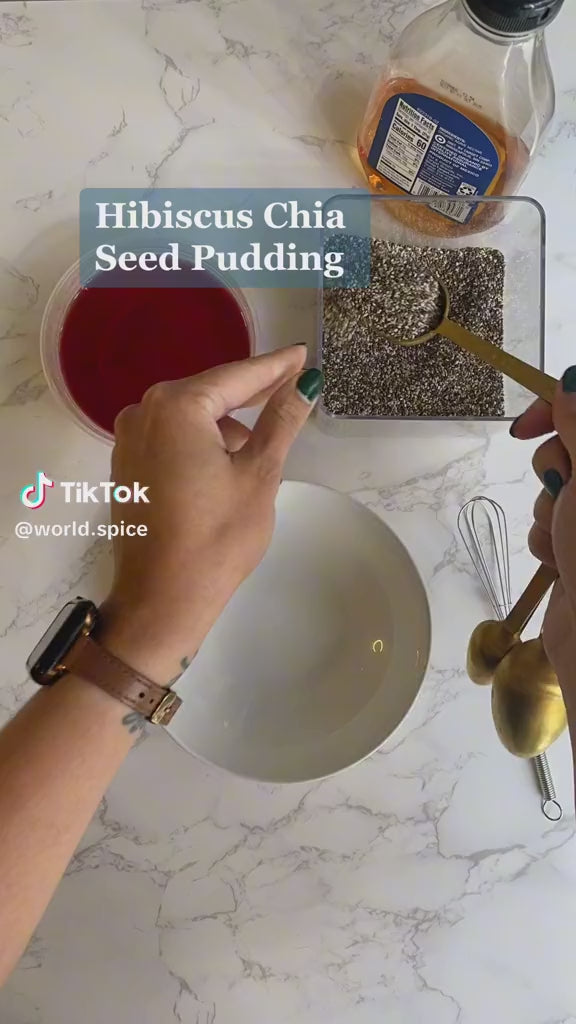
Tangy and subtly sweet, Hibiscus flowers are commonly used in teas and infusions. Almost cranberry-like in flavor, with a rich, deep red color, Hibiscus shines as a refreshing ice tea, agua fresca, or infused in simple syrup for cocktails such as a Hibiscus Margarita or Tangy-Tart Cosmo.
Traditionally, steeped petals are added to sauteed onions in tacos and enchiladas. Hibiscus is also used in sauces and marinades, especially for game, and in all manner of deserts including cakes, meringues, and tea cookies.
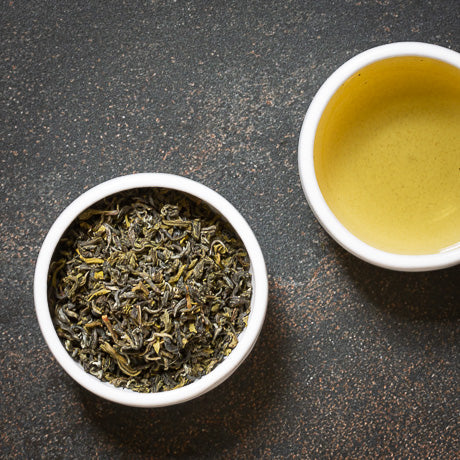
Brewing Instructions: Steep 2-3 teaspoons per 8oz cup at 210°F for 5-6 minutes
Why World Spice?
- Vegan, gluten-free, and filler-free
- Love it or we'll replace it
- Orders over $59 ship free
- Produced in small batches, shortly before shipping
Filler-FreeVeganGluten-FreeEstablished 1995Small Batch
Brewing instructions
-

1 tablespoon
-

Heat 8 ounces to 210°
-

Steep for 5-6 minutes.
Tea 101
These tangy and subtly sweet flowers are primarily used in teas and infusions, offering a rich, deep red color and a flavor reminiscent of cranberries. It's a versatile ingredient that shines in a variety of beverages, from refreshing iced teas to sophisticated cocktails like the Hibiscus Margarita or a Tangy-Tart Cosmo. Moreover, its culinary applications extend to sauces, marinades, and desserts, enhancing dishes with its unique flavor.
Hibiscus, botanically known as Hibiscus rosa-sinensis, is enjoyed in various cultures around the globe. This vibrant flower, often associated with tropical climates, is believed to have originated in Asia and the Pacific islands. Historical records suggest that hibiscus was used in ancient Egypt for its medicinal properties, particularly in teas meant to lower body temperature or treat heart and nerve diseases. As it spread through trade routes, different cultures adapted its use uniquely. In Africa, hibiscus became popular as a sour tea known as 'Karkade,' while in the Caribbean, it transformed into the festive drink 'Sorrel,' consumed during Christmas celebrations.
The versatility of hibiscus continued to be celebrated as it traveled to Europe and the Americas. In Mexico, hibiscus flowers, locally known as 'Jamaica,' are not only brewed into a refreshing herbal tea but are also used in culinary applications such as tacos and enchiladas, where steeped petals are sautéed with onions. This cross-cultural journey of hibiscus highlights its adaptability and the myriad of ways it has been embraced by different kitchens around the world.
Hibiscus is bold! with a tart flavor and its stunning visual appeal. Whether steeped in a hot tea that soothes the soul or mixed into a zesty cocktail that enlivens the palate, hibiscus brings a splash of color and a burst of flavor to every cup and plate. Its ability to complement both sweet and savory dishes makes it a versatile player in our culinary repertoire. From a chilled agua fresca on a hot summer day to a vibrant addition in cakes and cookies, hibiscus never fails to impress.
Did you know that hibiscus has been a symbol of love and devotion in several cultures, making frequent appearances in wedding ceremonies and love potions? This flower isn't just a treat for the taste buds; it's also a feast for the eyes, often used in art and decoration for its striking appearance.
Cook with it
All Hibiscus recipes →
Recipes with Hibiscus
Short of a recipe
See more Hibiscus tips →
Spice tips
From the same corner of the map
Shop Africa →More from Africa

Back where you left off
Recently viewed
Over 250 spices, blends, and teas
The world's most versatile spice library
Since 1995 we've sourced and blended the finest flavors we can find. Nearly all of our spices are available whole or ground, and we grind in small batches shortly before shipping.